Purple Rain on the Glass: A Calm Plan for Berry Smears, Sap and Bird Mess
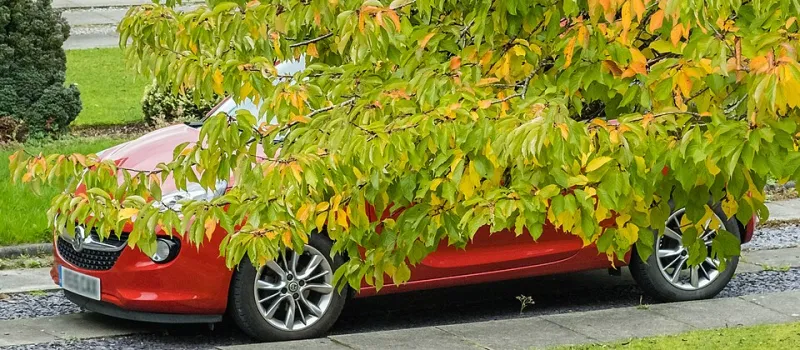
Photo: Phlips photos, Public domain, via Wikimedia Commons
November has a way of decorating your windows without asking. One blustery weekend the rowan is loaded with berries, the next there’s a purple smudge at eye level and a calling card from a pigeon on the sill. It’s tempting to grab the nearest cloth and attack the glass. Please don’t. Nature’s messiest marks respond far better to a short, gentle soak than to elbow grease — and a little patience now saves you from scratched panes or tired seals later.
Why the clock is ticking (even when the mark looks harmless)
Berry juice is full of sugars and pigments. Bird droppings carry uric acid. Tree sap is a sticky resin that sets like varnish. On a cool morning they may wipe away easily; after a sunny afternoon on warm glass they can bake into a thin film that takes real care to shift. Leave them long enough and the glass can etch, especially where droppings sit on a south-facing window. The mark stops being cosmetic and starts being permanent.
There’s a practical side too. Sticky residues collect dust, hold moisture against rubber seals and attract insects. A quick response is not about being house-proud; it’s basic maintenance for the glass and frame.
Three marks, three gentle routines
Berry smears and purple splashes
Start by flushing the area with clean water — a watering can is ideal. This lifts loose grit and softens the juice. Then soak a microfiber cloth in warm water with a small drop of mild washing-up liquid, lay it over the mark for a minute or two, and wipe in one direction. Rinse and repeat rather than scrubbing harder. If a stubborn fleck remains, use a plastic scraper at a shallow angle, keeping the glass wet. Never pick at it with a fingernail or a knife.
Bird droppings
Put on gloves. Soak a cloth or a wad of kitchen roll in warm soapy water and leave it on the deposit until it softens. Lift it away; don’t rub it across the pane. Rinse the glass, then clean the cloth or bin it. A mild detergent is enough. Avoid bleach, ammonia and any strong disinfectant near frames and seals, and keep pressure washers away from the edges of the glass.
Sap and sticky spots
Sap needs moisture and time. A warm, soapy compress held against the spot for a few minutes will usually loosen it. Repeat if needed. Don’t reach for acetone, white spirit or paint thinners; they can damage uPVC, paintwork and rubber. If the sap is on a painted frame, be extra careful and keep the cleaning solution on the glass.
The helpful-sounding products that cause the damage
The worst window-cleaning injuries are often self-inflicted. Abrasive sponges, scouring cream, wire wool and dry kitchen roll can drag grit across the glass and leave a haze of fine scratches. Razor blades are fine in trained hands on the right glass, but over a gritty berry stain they are a gamble. Strong acids and alkalis can dull frames and dry out seals. And a pressure washer aimed at the gap between glass and frame is a quick way to push water where it shouldn’t go.
Hot water deserves a mention too. On a freezing morning, pouring near-boiling water over cold glass is a thermal shock risk. Warm water is plenty.
A small kit that does the job
You don’t need a cupboard full of specialist products. A trigger spray, a bucket of warm water, mild washing-up liquid, a few clean microfiber cloths, a soft detailing brush for corners, a plastic scraper and a pair of gloves will handle most seasonal marks. Add a step stool so you’re not stretching, and a watering can for a pre-rinse. Work top to bottom, rinse often, and change your cloth when it gets grubby.
When to hand it over
Some jobs are better left to a professional. High windows, large deposits after a flock of pigeons, etched glass, leaded or listed windows, conservatory roofs and any mark that keeps returning are all signs to call in help. At Al’s Window Cleaning we use purified water and controlled reach, which means no leaning out of upstairs windows and no ladders balanced on a flowerpot. If a stain has already etched the glass, we’ll tell you honestly what can be improved and what can’t.
The weekly glance
A two-minute check each week is the best defence. Look at the windows nearest trees, feeders and rooflines. Rinse off fresh marks before they bake. Move bird feeders a little further from the glass if you can, and keep bins lidded. None of this will stop nature entirely — it’s autumn, after all — but it keeps the worst of the mess from becoming a bigger job.
Clear glass doesn’t need harsh treatment. It needs warm water, a soft cloth and a bit of patience. If the purple rain has already arrived, start gently and start soon.