The Gritter's Trail: A Salt-Safe Winter Routine for Your Windows
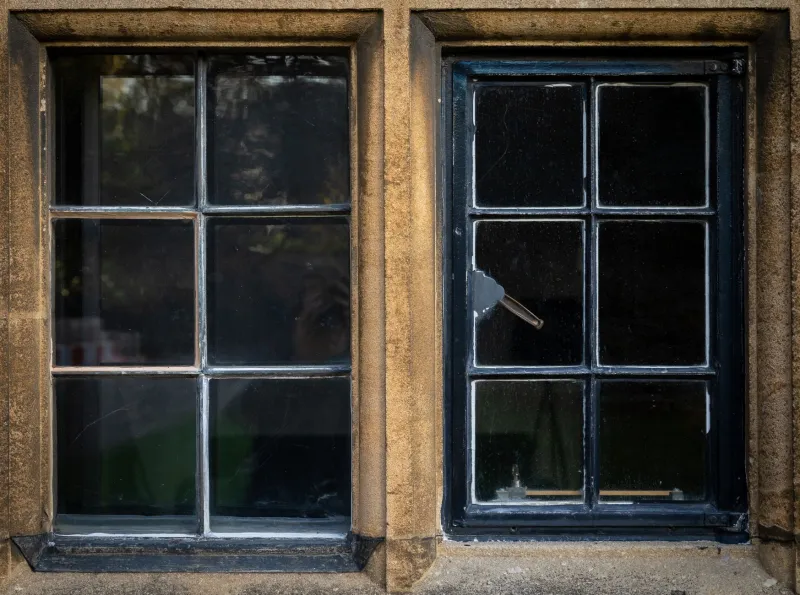
Road salt doesn't announce itself. It arrives as a pale mist on the lower pane, a faint crust along the sill, a dull bloom on the frame. By the time you notice, the gritter has been through twice and your car has a white beard. Windows at the front of the house, especially those near a busy road, a junction or a roundabout where vehicles slow and spray, tend to get the worst of it.
That isn't a reason to panic. It is a reason to tweak your winter cleaning routine. Road salt is not the same as dust, pollen or the odd splash of mud. It behaves differently on glass, and it certainly behaves differently on seals, sills and metal fixings. Treat it like a seasonal visitor rather than everyday grime and you will save yourself a lot of fiddly work later.
Why road salt is a different beast
Salt is hygroscopic, which is a fancy way of saying it pulls moisture from the air. On a damp British winter day, that means a thin salty film can stay slightly wet for longer than you would expect, even when the rest of the glass looks dry. That lingering dampness is what makes it more than a cosmetic problem.
The salt is also mixed with grit, sand and whatever else the road throws up. Wipe a dry pane with a cloth and you can drag those tiny particles across the glass. Glass is hard, but it is not invincible. Fine scratches from abrasive grit are permanent, and they show up beautifully when low winter sun hits the window at just the wrong angle.
Some road treatments also contain anti-caking agents and other additives. These can leave a residue that ordinary glass cleaner struggles to shift, and they can be alkaline, which is not especially kind to certain finishes. In short, road salt is part dirt, part chemistry experiment and part sandpaper. It deserves a bit of respect.
What happens when it sits
On glass, the main issue is a stubborn film that dulls the surface and attracts more moisture. Left long enough, it can bind with existing hard-water deposits and become properly annoying to remove. But the glass is usually the least of it.
Rubber and silicone seals do not dissolve overnight, but repeated exposure to salt and road spray can dry them out, leave a chalky bloom and encourage small cracks. Once a seal loses flexibility, water gets behind it and the problems move indoors. Painted timber frames are vulnerable anywhere the paint has chipped. Powder-coated aluminium can corrode at edges and fixings. Metal hinges, screws and handles on older windows are prime candidates for a salty crust that turns into rust.
Sills take a beating too. Stone, concrete and brick are porous. Salt draws moisture into them and can leave white powdery patches, surface spalling or a generally tired look. If you have a Victorian terrace with original stone sills, or a newer home with uPVC frames and a concrete path below, the lower edge of the window is where winter does its quietest damage.
Rinse first, rub later
The most important rule is simple: rinse before you rub. A dry cloth or paper towel is the wrong first move. It turns abrasive crystals into a rubbing compound and spreads the salty film into the corners of the frame.
Use a watering can with a rose, a hose on a gentle setting or a bucket of clean water. Start at the top of the window and work down, but keep the pressure low. You want to dissolve the salt and carry it away, not blast it into the seals. Pay particular attention to the bottom pane and the sill, where spray collects.
Once the worst of it has been loosened, use a soft brush or a clean microfibre cloth with a mild, pH-neutral solution. A little car shampoo or proper window-cleaning solution is fine. Avoid strong acids, bleach, abrasive cream cleaners and anything labelled heavy-duty. They are overkill for glass and unkind to frames.
Use cool or lukewarm water, never hot, especially on a very cold morning. Hot water on cold glass is a thermal shock waiting to happen, and it is not worth the risk. Cold water and patience are the safer combination.
A simple winter routine
You do not need to turn window cleaning into a weekend project. A sensible routine is enough.
First, watch the weather and the gritter schedule. After a hard frost, or a day when the council has been out, assume the lower windows have had a dose. If you live on a bus route or near a junction, assume it twice.
Second, rinse the lower panes and sills every seven to ten days during the salting season. In mild weeks you can stretch that. In a cold snap with repeated gritting, do it more often. The aim is to stop salt sitting long enough to dry into a crust.
Third, wash the glass properly after rinsing. Work top to bottom, squeegee or wipe with a clean cloth, then dry the frame and sill with a soft towel. Do not leave water sitting in the bottom channel or the corners. Salt loves a puddle.
Fourth, check the seals and the paintwork. Run a finger along the rubber. If it feels dry or looks chalky, use a rubber-friendly care product rather than a random silicone spray. If you spot chipped paint on timber, touch it in when the weather allows. A five-minute repair in November is cheaper than a frame repair in March.
The bits you cannot see
Do not forget the bottom channel of sliding sashes and the tracks of bi-fold doors. Salt collects there and turns into a gritty paste that wears on the runners. A soft brush and a damp cloth will lift it out, but avoid drowning the track. You want to flush and dry, not flood.
Weep holes and drainage slots need to stay clear. If you have pots or hanging baskets below the window, divert runoff or give the plants a rinse afterwards. Salt is not a fan of roots either.
At Al's Window Cleaning, we see plenty of front-facing windows that have taken a winter's worth of spray by February. The pattern is always the same: a clean upper pane, a dull lower pane and a sill that feels like sandpaper. A bit of rinsing now keeps the glass clearer and the frames in better nick when spring finally turns up.
If the salt has been sitting for weeks, or your water is hard and the film has already set, a professional clean with pure water and the right reach is the safer option. But for most homes, a watering can, a soft cloth and ten minutes after the gritter has passed will do more good than any miracle spray. Rinse first, dry the edges, and let the winter do its worst somewhere else.