Sea Spray, Softly: A Coastal Window Plan That Protects the Glass
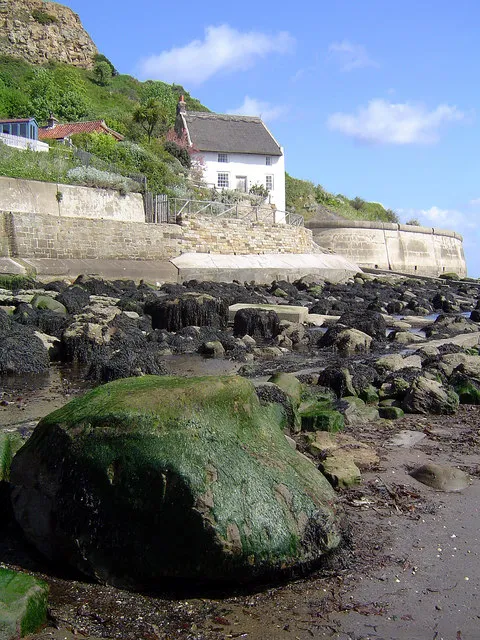
Photo: Scott Rimmer, CC BY-SA 2.0, via Wikimedia Commons
Coastal windows have a knack of looking clean until the light turns. Then every streak, every faint bloom and every tiny scratch shows up like a fingerprint on a mirror. Salt is the usual suspect. It arrives as invisible sea spray, dries into a fine crystalline film and then waits for someone to attack it with a dry cloth. That is the moment a simple wash turns into a polishing job with a scratch or two thrown in.
Salt Is Not Just Another Layer of Dust
Ordinary dust mostly sits on the surface. Salt is more persistent. Sea air carries chloride particles that settle on glass, frames and metal fittings. Because salt attracts moisture, the film can stay slightly damp, which makes it stickier and more abrasive than you might expect. Add a bit of sun and the residue bakes on. Add a dry wipe and you are effectively rubbing fine grit across the pane.
Distance from the sea matters, but so does wind direction, height and shelter. A house three streets back can still get a regular dusting when the prevailing south-westerlies are up. A sea-facing upstairs window can collect a fresh film in a single gale. That is why coastal cleaning is less about scrubbing harder and more about rinsing sooner.
Rinse First, Then Think About Cleaning
The most useful habit is also the simplest: rinse before you touch. Use a garden hose on a gentle setting or a watering can for lower windows. Work from the top down and let the water soak the salt film for a minute or two. There is no need for high pressure. In fact, a pressure washer aimed at glass edges and seals can force water where it should not go, and it can chip or etch old glass if used carelessly.
Once the worst of the salt has been loosened, wash with a pH-neutral window cleaner or a mild detergent solution and a clean microfiber cloth or soft wash brush. Keep the cloth rinsed. A squeegee with a fresh, uncut rubber blade is fine for the main panes, but check the blade for grit before every pass. Rinse again afterwards, especially around frames and hinges, then dry metal parts with a soft cloth.
If you live right on the front, a plain water rinse after a storm is often more valuable than a full clean. It costs ten minutes and removes the salt before it has a chance to set.
The Kit That Helps and the Kit That Harms
Safe kit is boring kit: clean water, a mild neutral cleaner, soft microfiber, a silicone squeegee and a soft brush for frames. An extendable pole with a soft brush is handy for upstairs panes, provided you rinse the brush head and do not let grit build up in it.
The risky stuff tends to be whatever promises a shortcut. Scouring pads, cream cleaners, abrasive powders and stiff brushes can leave a permanent haze on glass. Razor blades and scrapers are best left to professionals, and even then they should not be used dry or on coated glass. Strong acidic or alkaline cleaners can attack aluminium, damage sealant and dull uPVC. A splash of white vinegar in rinse water is a traditional coastal trick, but neat vinegar on metal frames is not a good habit. Nor is bleach around seals.
Paper towels are not automatically evil, but they can drag grit across a dry pane. Dry dusters are worse. If you would not rub a dry cloth over your car's paintwork after a beach trip, do not do it to your windows.
Hinges, Handles and the Hidden Salt Trap
Glass gets the attention, but salt is just as fond of the hardware. Hinges, handles, vents and patio-door tracks collect a salty paste that holds moisture against metal. Stainless steel is not rust-proof in coastal air, brass can go green, and aluminium can pit if residue is left to sit. uPVC frames are tough, but the seals and gaskets around them are not indestructible.
After cleaning the glass, flush door tracks with clean water and lift out what you can with a soft brush. Dry the metal with a microfiber cloth and follow the manufacturer's advice on lubrication. A little silicone spray on the correct moving parts can help, but keep it off the glass and test it on a hidden area first. If handles feel stiff or hinges look furred up, deal with it before winter rather than after.
A Sensible Rhythm for Exposed Homes
There is no single schedule that suits every coastal property. A sheltered street a few roads back may manage a full clean every six to eight weeks, with a rinse after gales. An open, sea-facing road probably needs attention every four to six weeks, plus a monthly rinse during windy spells. A directly exposed property with upstairs glass may need a quick rinse every few weeks in winter and a full clean every three to four weeks when the weather is doing its worst.
The rule of thumb is simple: if you can see or feel a salt film, rinse it. Do not wait for the glass to look opaque. And do not reach for a stronger cleaner every time the film returns. More rinsing and less scrubbing is almost always the better answer.
The Long Game
Coastal windows will never stay pristine for long, and that is fine. A little routine goes a long way: rinse after storms, keep metal dry, use soft tools and book a professional clean for high or awkward glass. Here at Al's Window Cleaning, we would rather take a few extra minutes to rinse first than spend the afternoon trying to polish out a scratch. Your windows will thank you, especially when the low sun comes through.