Winter's Harshest Critic: What Angled Sunlight Reveals About Your Windows
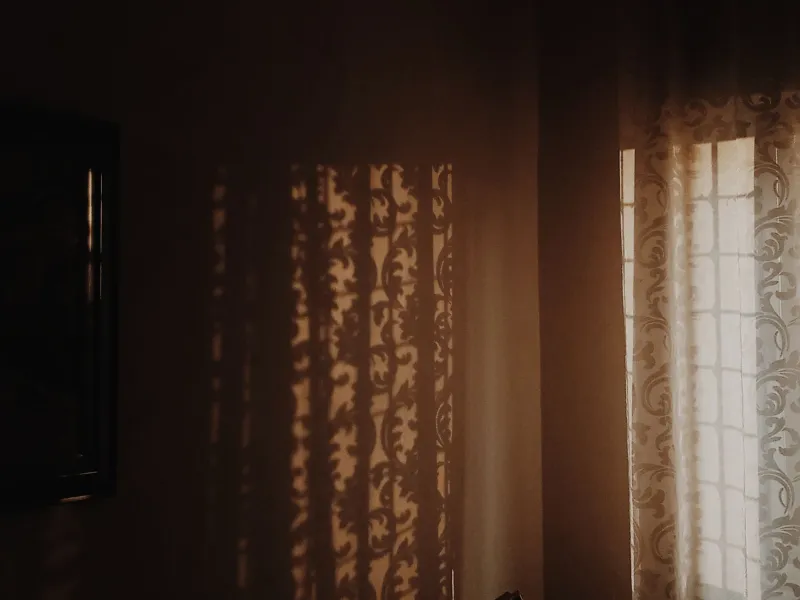
There's a particular kind of November sunlight that behaves less like daylight and more like a nosy neighbour with a torch. It sits low, cuts across the room at an angle, and lands on your glass with the sort of unforgiving glare that makes every smear look like it's been drawn on with a marker pen. You notice it most in the late morning or the golden hour before sunset, when the sun is doing its best impression of a spotlight.
This is what I've come to think of as winter's harshest critic. It isn't personal. It's just physics. And once you know what that angled light is actually showing you, it becomes a genuinely useful diagnostic tool rather than a reason to hide behind the curtains.
Why low sun is so revealing
Summer sun comes from above. It lights up a room fairly evenly, bounces off the glass, and generally lets your windows get away with murder. Winter sun arrives at a shallow angle, often almost parallel to the pane. Instead of passing straight through, it skims the surface and catches every ridge, film and drying mark in its path. It's the same reason a low torch beam shows up dust on a table that looks perfectly clean from standing height.
The result is that November and December tend to be when people suddenly notice their windows need attention. Not because the glass has got dirtier overnight, but because the light has changed the way we see it. If you've spent the summer thinking your windows looked fine, the low sun is simply offering a second opinion.
A five-minute check worth doing
You don't need any special kit for this. Pick a bright, low-sun day — ideally when the sun is in front of the window rather than behind it — and stand at an angle to the glass rather than straight on. Look across the surface, not through it. You're not trying to see the garden; you're trying to see the glass itself.
Do this from inside and, if you can, from outside as well. Inside checks are good for spotting interior films and condensation traces. Outside checks reveal the road film, pollen residue and general weathering that builds up on the exterior. A small torch held at a similar low angle works well after dark, too. It's a bit brutal, but it's honest.
What you're actually looking at
Most of what the low sun reveals falls into one of four camps.
Ordinary grime and road film. This is the grey-brown haze that builds up on glass facing a road, a driveway or a prevailing wind. It looks like a dull wash rather than distinct marks. A standard clean with a squeegee, or a proper pole-and-brush wash from outside, shifts it without drama.
Hard-water marks. These are the little crescent-shaped spots or cloudy patches left behind when water dries on the glass, usually after rain running off a sill or a hose being used nearby. In hard-water areas they can build up into a thin mineral film. A normal clean will improve them, but stubborn spots may need a specialist treatment or a few repeat visits. It's worth being realistic: some marks that have been there for years won't vanish in a single pass.
Condensation traces. If the inside of your glass has a faint greasy sheen or dried drip marks along the bottom edge, that's often condensation that's been sitting and drying repeatedly. It's usually a ventilation story rather than a cleaning one. A clean will help the appearance, but if the windows are streaming every morning, the bigger fix is airflow, not more squeegee work.
Scratches and age. This is the one nobody wants to hear about. Fine scratches, scuffs from grit, and the general cloudiness that comes with old glass can look like dirt from a distance but won't clean off. Neither will the hazy edge of a failed double-glazed unit, where the seal has gone and moisture has crept between the panes. The low sun is very good at exposing these, but no amount of cleaning will reverse them.
What a proper clean can and can't fix
A good professional clean is about more than a shiny pane. It should include the frames, sills and vents where grime collects and then redistributes itself onto the glass. It should use clean water and clean tools — a dirty squeegee just moves the problem around. And it should be honest about the difference between glass that's dirty and glass that's damaged.
What it can't do is turn old glass into new glass. If your windows are single-glazed sash panes with decades of gentle wear, or if a sealed unit has started to fog from the inside, the low sun will still find those imperfections after a clean. That's not a failure of the cleaning; it's just the glass showing its age. A decent window cleaner should tell you that before you book, not after.
Should you book before the festive season?
If you're hosting over Christmas and the low sun is going to be streaming through the front room while everyone's sitting down to lunch, a clean in late November or early December makes a noticeable difference. It's also a sensible time to deal with exterior grime before the worst of the winter weather arrives.
But there's no need to panic-book. The low-sun effect hangs around well into January and February, so a clean in the new year is still worthwhile. What matters more is dealing with genuine build-up rather than chasing a perfect, streak-free finish that the winter light will always be a little cruel about. Glass is glass. It reflects, it catches the light, and it will never look completely invisible from every angle.
The low sun isn't really judging you. It's just doing you a favour by showing you what's there. Once you've read the signs, you can decide what's worth fixing and what's simply part of living in an older British home with windows that have seen a few winters already.