Mud, Muzzles and Morning Light: A Pet-Friendly Route to Clearer Windows
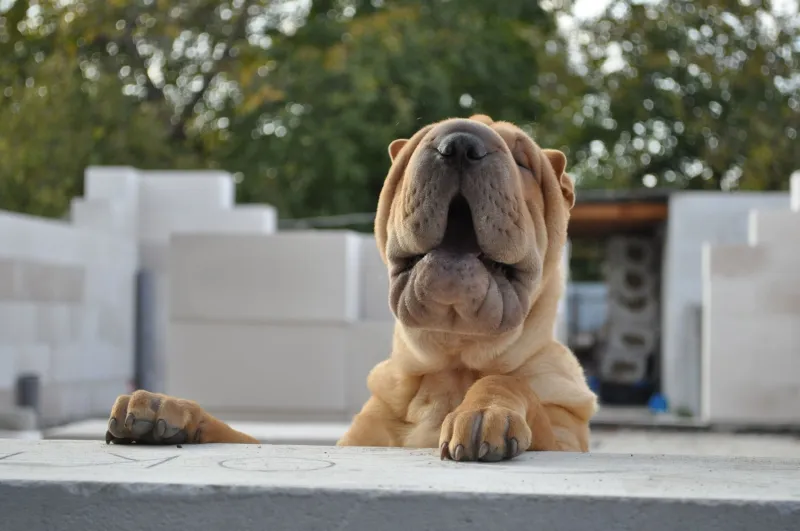
There is a particular window in every pet-owning home. Sometimes it is the hallway pane beside the front door. Sometimes it is the kitchen patio door, or the conservatory glass that catches the morning sun. By eight o'clock it has become a small exhibition: a nose smudge at beagle height, a paw print with suspiciously good definition, and a long grey streak where somebody's tail has swept past on the way to the water bowl.
We like these marks. They are proof of a lived-in home, not a show house. But there is a limit. When the glass is so mucky that your dog watches the postman through a fog, it is time for a sensible routine — one that respects the pet, the glass and your patience.
The lower pane takes the hit
Pets live closer to the floor, so they meet windows nose-first. A dog pressing against the glass leaves a mixture of breath condensation, natural oils and whatever was on their muzzle after breakfast. Cats add cheek rubs and the occasional paw swipe. Wet walks bring in grit, which is the real enemy: wipe a gritty paw print with a dry cloth and you can drag particles across the surface.
Patio doors are the worst offenders because the tracks collect soil, grass and bits of biscuit. Sills become shelves for toys, bowls and the odd tennis ball. None of this is a moral failing. It is just what happens when four-legged residents share the ground floor.
Reading the marks before you reach for a cloth
A quick diagnosis saves effort. Oval, slightly greasy smears are usually nose art, often with dried drool at the edges. Muddy paw prints tend to be grainier and may contain tiny stones. Horizontal streaks at tail height are sweep marks. A cloudy patch that will not shift could be hard-water film or condensation between panes, not pet grime — worth knowing before you scrub at something that is not actually on the surface.
If a mark is dry and crusty, soften it first with a damp microfibre cloth. Never attack it with a scraper or a dry paper towel. Glass is tougher than it looks, but grit is tougher still.
A pet-safe kit that genuinely works
You do not need a cupboard full of specialist products. A spray bottle of warm water with a tiny drop of washing-up liquid will handle most everyday marks. For a little more cutting power, a diluted white vinegar mix — roughly one part vinegar to four parts water — works well on glass, though keep it away from natural stone sills and anything acid-sensitive. Always test a hidden corner first.
Use two microfibre cloths: one for the wet pass, one for drying. A squeegee is handy on patio doors, but only after you have wiped the worst of the mud away. Avoid ammonia-based cleaners, bleach sprays and heavily perfumed products around pets. Essential oils deserve particular caution; some are harmful to cats and dogs, so do not assume a lovely lavender scent is animal-friendly. If in doubt, plain water and a drop of soap is the safer choice.
Ventilate while you clean, keep pets out of the room until surfaces are dry, and store bottles well out of reach. Pet-safe does not mean pets should drink it.
The thirty-second habit
Most pet grime never needs a full cleaning session. Keep a clean microfibre cloth near the worst window and give the lower pane a quick once-over each morning. Dry marks first, then a light damp wipe, then buff. It takes less time than waiting for the kettle.
Put an old towel by the patio door for muddy paws and a decent mat on both sides of the entrance. Move water bowls slightly away from glass and sills if splashing is a problem. Wipe the sill before it becomes a muddy shelf. These small habits stop a daily annoyance from turning into a monthly battle.
Tracks, sills and the mud trap
Before you clean the glass, vacuum or brush out the door tracks. Otherwise every wipe pulls grit back onto the pane. Use an old toothbrush for corners, then wipe with a damp cloth and dry properly. Sills should be dusted before they are washed; otherwise you are simply making mud. Avoid furniture polish on sills if your pet likes to chew or lick surfaces.
Briefing a window cleaner before they arrive
A good cleaner will appreciate a heads-up rather than a surprise. When you book, mention that you have pets. Say whether the dog is friendly but excitable, whether the cat is indoor-only, and whether either animal has a habit of slipping through an open door. Point out the gate latch, the side access and any bowls or beds that need to stay put.
On the day, secure pets in a room away from the work area — not the garden, and not a room with a door that will be propped open. Ask about products if you have a sensitive animal, and be clear that lower panes need extra attention. A cleaner can focus on nose height and patio tracks, but they are not there to manage a nervous pet. Clear access and honest information make the visit quicker for everyone.
A clear view, with character
Pet marks are part of the wallpaper of home life. Nobody needs glass so pristine that it looks unlived-in. But a simple daily wipe, a sensible pet-safe kit and a quick briefing before a professional visit will keep the view open — so your dog can see the postman clearly, and you can see the garden without a nose print in the way.