When a Window Was a Luxury: Blind Windows and the Care of Old Glass
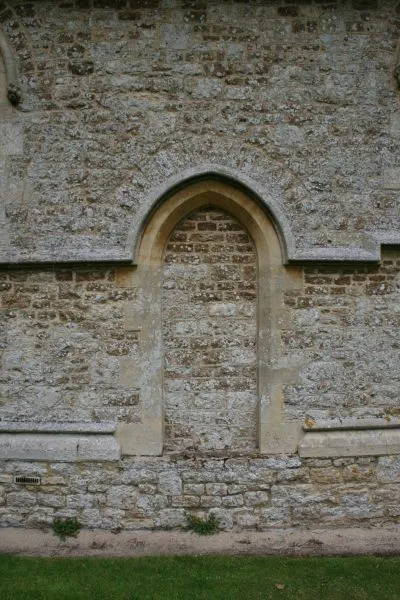
Photo: Bill Nicholls, CC BY-SA 2.0, via Wikimedia Commons
The Window That Isn't There
You see them on older streets all the time: a neat rectangle of brick where a window clearly ought to be, or a pane of glass that looks slightly out of step with the rest of the house. Sometimes it is obvious, sometimes it is only noticeable when the afternoon light catches the wall at an angle. It can look like a renovation that ran out of money, or a quirk of an awkward floor plan.
Very often, though, it is history. The bricked-up window is one of the quiet leftovers of the window tax, a levy that shaped British houses for more than a century and a half. Understanding that bit of background is useful if you own an older home, because it explains why your glazing may be older, thinner and more fragile than it looks. It also helps you decide how to clean it, and when to leave it well alone.
A Tax on Light, Not on Glass
The window tax began in England and Wales in 1696 and was not abolished until 1851. It was introduced as a property tax, but it worked by counting windows rather than rooms or land. The more windows a house had, the more the owner paid. Over the years the rules changed, the bands shifted and the amounts went up, but the basic idea stayed the same: windows were a visible sign of wealth, and the taxman wanted a share.
It did not take long for people to respond in the most practical way available. If windows were expensive, you had fewer of them. Some windows were blocked up with brick or stone. Others were never properly glazed in the first place, leaving a blind recess that looked like a window from the street but was never intended to let in light. In some places, whole rows of houses ended up with a pattern of real and false windows that still looks odd today.
Scotland had its own version of the tax from the mid-eighteenth century, and the detail varied, but the effect on older buildings was similar. The tax was eventually repealed after years of complaint, but by then the damage, or rather the character, was done. Many of those blocked openings were never reopened. They became part of the fabric of the house.
Not every blind window is a tax survivor, of course. Some were blocked for privacy, some because an internal wall moved, and some because a later owner wanted a tidier facade. But if you live in a Georgian or Victorian property and there is a suspiciously blank patch of brickwork, the window tax is a good first guess.
What Counts as Period Glass?
Old glass is not simply glass that has been there a long time. It is glass made in a particular way, and that shows in how it looks and behaves. Crown glass, made by spinning a blob of molten glass into a disc, often has a faint circular ripple. Cylinder glass, also called broad glass, was blown and flattened, and it can have a slight waviness and small bubbles. Both were common before float glass came along in the 1950s, and both are softer and more easily marked than modern glass.
You may also have leaded lights, where small panes are held together with lead came, or sash windows with slender glazing bars. These are not just decorative. They are part of the building's construction, and they need to be treated with a bit of respect. A window that has survived 150 years of British weather does not need a bucket of aggressive cleaner and a heavy hand.
Cleaning Old Glass Without Making It Worse
The first rule is simple: clean less aggressively than you would on modern glass. Old glass can have fine scratches, tiny chips and a surface that has been softened by years of pollution and weather. Abrasive pads, scouring cream and razor blades are best left in the cupboard. A soft brush, a pH-neutral cleaning solution and plenty of clean water will do most of the work.
If you live in a hard-water area, drying the glass properly matters. Left to air-dry, water can leave a chalky film that is much harder to shift from old glass than from new. A squeegee used gently, or a microfibre cloth wrung out well, can help. Avoid soaking the frames. Old putty and paintwork can be fragile, and water trapped behind them is a recipe for rot and crumbling seals.
Leaded lights need extra care. Do not scrub the lead came with anything abrasive, and do not use acidic cleaners, which can attack the metal. A soft brush and plain water are usually enough, followed by a gentle dry. If the lead is loose or the glass is bowing, stop and call someone who knows what they are doing. The same goes for any cracked pane. Cleaning around a crack can turn a small repair into a replacement.
The Inspection Bit
Before you clean any period window, give it a quick once-over. Look for cracks, loose putty, flaking paint, missing glazing sprigs and movement in the frame. Open and close the window if it is designed to open. If a sash is stiff, do not force it. If the glass rattles or feels loose, leave it alone and get advice.
Condensation is worth noting too. Old single glazing will often mist up on cold mornings, and that is normal. Water trapped inside a sealed double-glazed unit is a different matter, because it means the seal has failed. On old windows, persistent damp around the frame is more often about drainage, paint or putty than the glass itself.
When to Call in a Professional
Some jobs are best handed over. High windows, awkward ladders, fragile leaded lights, listed buildings and conservation areas all call for a careful approach. If your windows have not been cleaned in years, or if you are unsure about the condition of the glass, a professional window cleaner can assess the risk before starting. At Al's Window Cleaning, we are used to older homes and know that the right method matters as much as the right result.
A good rule of thumb is this: if cleaning the window feels like it might damage the window, it probably will. Ask first. A quick question is far cheaper than a replaced pane, and it keeps the history where it belongs, in the glass rather than in a skip.