Green Glass, Quiet Corner: Making Sense of Your Home's Shadiest Windows
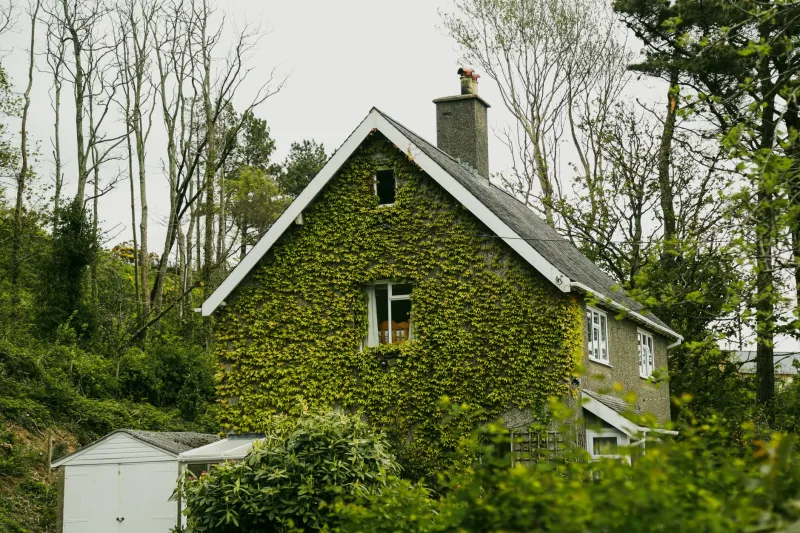
Every house has a side that quietly gets on with it. The south-facing windows get the sun, the street-facing windows get the compliments, and then there is the north elevation: cooler, damper, and somehow always first in line for a green tinge. If your north-facing glass looks less crystal-clear and more garden pond, it is not a sign that you have done anything wrong. It is mostly physics, weather and a little bit of biology having a quiet party on your panes.
Why the shaded side goes green first
North-facing windows in the UK simply get less direct sunlight. That matters because sun does two helpful things: it dries surfaces and it makes life harder for the algae and biofilm that grow on glass. On a shaded wall, rain, dew and condensation hang around for longer. The glass stays damp, the frames stay damp, and the whole area becomes a much more welcoming home for spores that are already floating about in the air.
Algae is the usual suspect behind that green film. It does not need soil to get started. A bit of dust, pollen, traffic film or bird muck is enough to give it a foothold, especially where water collects in tiny patches or where hard-water deposits have left a slightly rough surface. Lichen is the crustier, grey-green stuff that turns up on frames, sills and sometimes the glass edges. Moss prefers the rubbery, gritty corners around seals and drainage slots. None of it is unusual, and none of it means your windows are failing.
UK weather adds to the fun. Prevailing south-westerly winds often give one side of a house a proper battering, while the opposite side stays sheltered. Add gutters that overflow, shrubs that brush the glass, bins stored against the wall, or a conservatory roof that drips onto the patio, and you have created a small damp microclimate. That is why one cleaning schedule rarely suits every elevation. The sunny side may stay presentable for weeks longer than the shaded side, and that is perfectly normal.
The difference between dirt, algae and lichen
Ordinary grime is mostly dust, pollen and pollution. It looks dull and grey and usually shifts with a normal clean. Algae is the green film that comes back quickly, especially in warm, damp spells. Lichen is more stubborn: it clings to textured surfaces such as frames, vents and the edges of glass, and it can look like little grey-green scabs. Hard-water film is another matter entirely, usually white and chalky, and it often shows up on the same windows because the glass stays wet for longer.
The important point is that a quick wipe may not be enough once algae has settled in. You are not just removing dirt; you are removing a living layer that has attached itself to the surface. If you simply smear it around with a dirty cloth, it will be back before the kettle boils.
Practical ways to slow the green down
Start with the things around the window rather than the glass itself. Clear the gutters if they overflow onto the wall. Trim back shrubs and climbers so air can move around the frame. Move bins, compost bags and log stores away from the wall if they are trapping damp. Check that the window's drainage slots and trickle vents are not blocked, because trapped water is exactly what algae wants.
Inside the house, reduce condensation where you can. Use extractor fans in the kitchen and bathroom, open trickle vents, and wipe down interior condensation on cold mornings. A dry window is a less attractive window, inside and out. If you clean the glass yourself, use a proper window cleaner rather than washing-up liquid, which can leave a sticky film. Avoid abrasive pads, bleach on aluminium frames and pressure washers aimed at seals. A soft brush and plenty of clean water are kinder than a hard scrub with something harsh.
On the shaded side, little and often beats a heroic annual scrub. A light clean every few weeks during damp months is easier than trying to remove a stubborn green layer later. If you have hard water, drying the glass after cleaning helps, but do not obsess over a perfect finish if the window is high up or awkward to reach.
When a professional clean is worth it
Some north-facing windows are simply a pain to reach. Sash windows above a sloping garden, conservatory roofs, first-floor casements over a conservatory, or glass behind a packed border are all jobs where DIY quickly becomes a ladder-and-prayer situation. That is when a professional clean is not a luxury; it is the sensible option.
A good window cleaner will use methods that suit the glass and the access. Water-fed poles with pure, deionised water are common for upper windows because they let the cleaner work safely from the ground. Pure water helps avoid the chalky residue that tap water can leave behind. For stubborn lichen or hard-water film, a proper clean may take longer than a standard visit, and it is worth asking what method will be used before you book.
Ask about insurance, access and whether they will protect plants and drains. If a window has been green for a long time, be honest about it. A cleaner would rather know they are dealing with a restoration job than turn up expecting a quick maintenance clean. And if one elevation needs attention more often than the rest, say so. A tailored schedule is often cheaper than paying for the same full-house clean when only one side actually needs it.
A north-facing window is not a defect. It is just a window doing its best in the shade. Give it a little more attention, keep the damp under control, and it will stop looking like a science experiment and start behaving like glass again.