The Downpour Delusion: Why British Rain Leaves More Streaks Than Sparkle
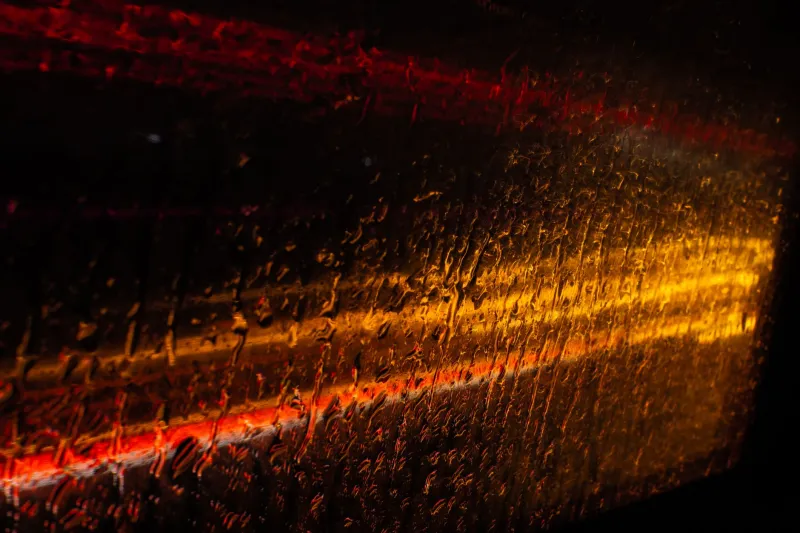
We have all heard the optimistic version of window cleaning: 'Leave it, the rain will sort it out.' It sounds sensible. Rain falls from the sky, after all, and it must rinse something. But anyone who has watched a shower dry on a pane knows the result: a map of spots, streaks and a dull grey haze that wasn't there before. Rain is not a free window clean. In Britain, it is often the opposite.
Rain Is a Rinse With No Drying Stage
A proper window clean has stages: loosen dirt, rinse, remove the water, detail the edges. Rain only does the rinse - and it does it with water that has been travelling through the atmosphere. By the time it lands, rainwater has collected dust, pollen, soot and the general fug of everyday life. On the glass it beads up, sits there, and eventually evaporates. Whatever it was carrying stays behind. Those little rings aren't a sign of cleanliness; they're a tiny delivery of grit and minerals. If the window was already dusty, rain turns that dust into a thin mud. If there's traffic film - the oily layer that builds up near roads - rain spreads it into a milky smear rather than lifting it away.
Why British Weather Is a False Friend
Our weather is very good at light, frequent rain. That is lovely for gardens. It is less lovely for glass. A short drizzle produces hundreds of small droplets, and small droplets dry quickly. The result is a pane covered in tiny dried spots. A heavy downpour can rinse more effectively, but it also splashes dirt up from sills, paths and gutters, and it drives grime into frame corners. Then the sun comes out, the water evaporates, and the remaining film bakes on. Add spring pollen, summer dust, autumn leaf mulch and winter road spray, and you have a full year of reasons why rain rarely leaves windows cleaner. Coastal homes get another layer: salt and fine grit that rain can move around but not necessarily remove.
What You See After a Shower
Look closely after a rainy morning and you'll usually spot three things. First, spots - especially on windows that face the weather. Second, streaks where water has run down and dried in channels. Third, a general dullness, as if someone has wiped the glass with a dirty cloth. The bottom corners and sills often look worst because that's where water collects and dirt settles. North-facing windows can be particularly bad because they stay damp longer. None of this means rain is evil. It's just doing what water does: moving dirt from one place to another. It isn't a cleaner, and it never dries the glass.
The Habits That Actually Help
The good news is that you don't need to fight the weather every day. A few simple habits make a real difference between professional cleans.
- Clean when the glass is dry and the sky is overcast. Strong sun dries water too fast and leaves streaks; rain just adds more water. A calm, cloudy day is ideal.
- Rinse, then remove the water. Whether you use a squeegee or microfibre cloths, the key is to take the water off the glass rather than let it dry. Wipe the blade after each pass and detail the edges with a dry cloth.
- Work top to bottom and keep your cloths clean. A dirty cloth just moves grime around. Use one cloth for the wet work and a separate dry one for the edges and frames.
- Don't scrub dry glass. It's a quick way to grind grit into the surface. Rinse first, then agitate gently if needed.
- Keep sills, frames and gutters clear. Rain splashes dirt up from whatever is sitting below the window. A quick sweep of the sill and a check on the gutter can stop a lot of future spotting.
- Rinse after a storm, don't scrub. If a downpour has left a fresh layer of spots, a gentle rinse and dry is usually enough. Scrubbing at dried-on dirt is harder work and can scratch.
- Book a clean after pollen season or before winter. Timing a professional clean around the worst of the pollen and the first of the road salt keeps the glass clearer for longer.
A Little Realism Goes a Long Way
Rain is brilliant for water butts, lawns and that reassuring sound on the roof. It is not a window-cleaning service. Expecting a shower to leave glass sparkling is a bit like expecting a walk in the rain to wash your coat. It might look wetter, but it won't be cleaner. The sensible approach is to let rain do its thing, then give the windows a proper clean when conditions suit - or call in someone who does it for a living.
At Al's Window Cleaning, we spend a lot of time undoing the myth that British weather is on your side when it comes to glass. Clear windows come from removing dirt and drying the pane properly, not from waiting for the next shower. If the rain has left its calling card, a proper clean will shift it far more reliably than another downpour.